Cleaning recognized as a skilled trade in Michigan as workforce growth rises, driven by demand, training, and higher professional standards.
KALAMAZOO, MI, UNITED STATES, March 20, 2026 /EINPresswire.com/ — The evolving role of professional cleaning within Michigan’s workforce examines how structured training, technical knowledge, and standardized practices are reshaping the service industry. As Michigan earns national recognition as a Top 5 state for workforce development, attention is increasingly turning to industries that were historically categorized as “low-skill,” despite requiring a growing level of expertise. Professional cleaning is emerging as a notable example of how training and specialization are redefining service-based work across the state.
Michigan’s Workforce Recognition Signals a Broader Shift
Michigan’s recent national ranking among the top states for workforce development reflects years of investment in training programs, credentialing pathways, and industry-led education initiatives. While manufacturing, healthcare, and technology often dominate conversations around workforce advancement, service industries are undergoing parallel transformations.
This recognition highlights a broader shift in how work is defined and valued. Skills are no longer measured solely by job titles but by technical competency, safety awareness, and the ability to meet increasingly complex standards. Within this context, professional cleaning is gaining recognition as a skilled trade that requires formal training, process discipline, and ongoing education.
Reevaluating the Definition of Skilled Labor
Traditionally, skilled trades were associated with construction, electrical work, plumbing, or mechanical services. Cleaning, by contrast, was often viewed as labor-intensive but low-skill. This perception is increasingly misaligned with current industry realities.
Modern professional cleaning intersects with multiple technical disciplines, including:
• Building science
• Indoor air quality management
• Occupational health and safety
• Materials compatibility and surface preservation
• Equipment operation and maintenance
As buildings become more sophisticated and expectations around cleanliness and health rise, the knowledge required to perform cleaning tasks effectively has expanded significantly.
The Role of Training in Professional Cleaning
Training is the primary factor distinguishing professional cleaning from informal or unstructured labor. In today’s service environment, cleaning personnel are expected to understand not only how to clean, but why specific methods are used and how improper techniques can affect building performance or occupant health.
Structured training programs typically address:
• Safe handling and application of cleaning agents
• Operation of specialized equipment, including HEPA-filtered systems
• Recognition of different surface types and appropriate cleaning methods
• Prevention of cross-contamination
• Compliance with workplace safety standards
These competencies align closely with the criteria used to define skilled trades in other sectors.
Why Michigan’s Workforce Environment Matters
Michigan’s emphasis on workforce development creates an environment where service industries can evolve. Statewide recognition reinforces the importance of training pipelines, certifications, and employer-led skill development.
For cleaning companies, this environment supports a shift away from high-turnover labor models toward stable, trained teams. Employees benefit from clearer expectations, safer working conditions, and opportunities for advancement, while clients benefit from consistency and higher-quality outcomes.
This alignment between workforce policy and industry practice contributes to the professionalization of services that were previously undervalued.
Cleaning and the Modern Built Environment
The need for skilled cleaning professionals is closely tied to changes in the built environment. New construction, renovation projects, healthcare facilities, and energy-efficient buildings all present cleaning challenges that require technical understanding.
For example:
• Airtight building envelopes increase sensitivity to dust and airborne particles
• Advanced HVAC systems require careful cleaning to avoid contamination
• New surface materials may be damaged by incorrect products or methods
Addressing these challenges requires trained personnel who understand how cleaning interacts with building systems rather than working independently of them.
Indoor Air Quality and Technical Competence
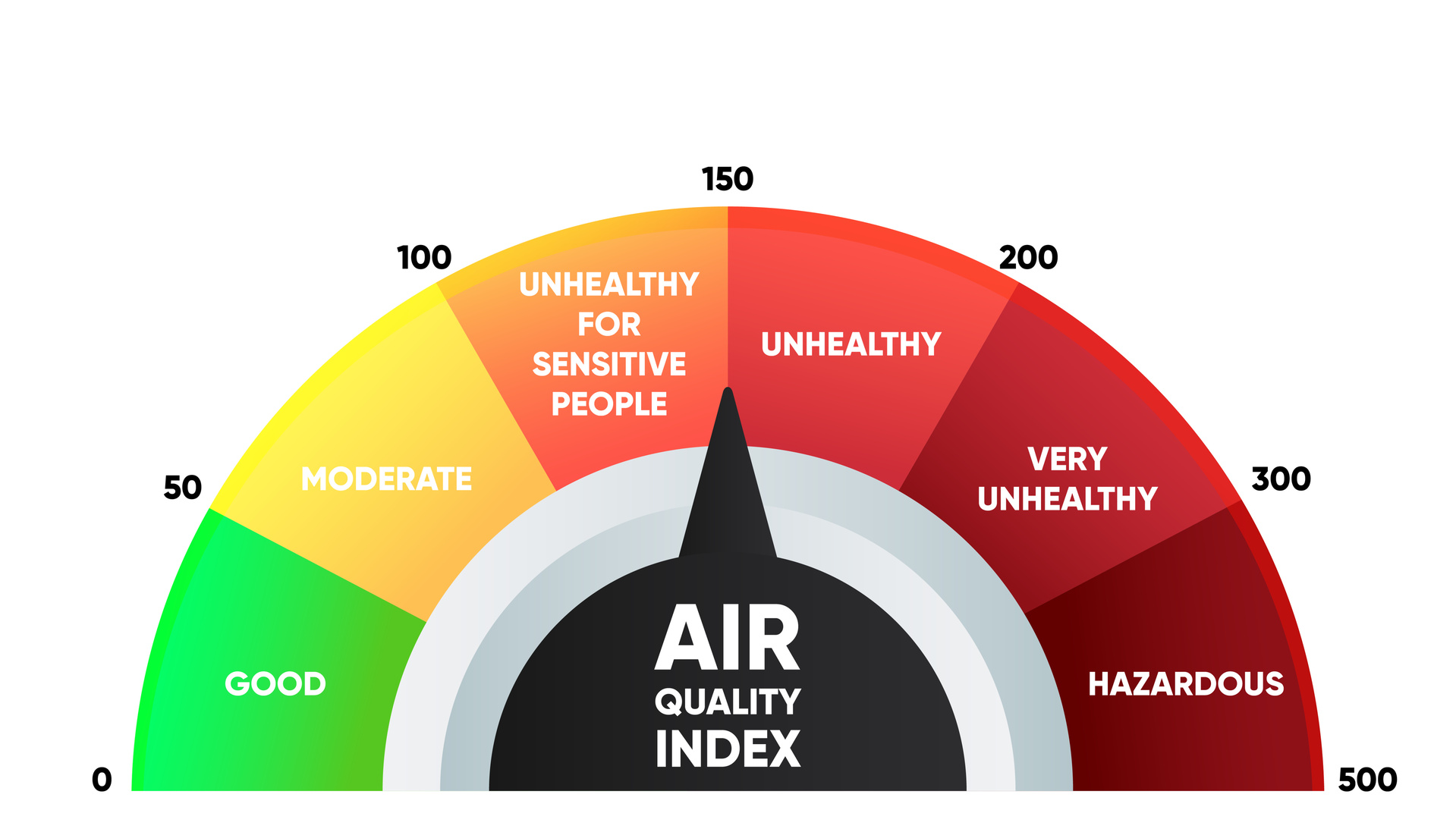
Indoor air quality has become a central concern in both residential and commercial settings. Cleaning practices directly influence IAQ, particularly in environments where people spend extended periods indoors.
Professional training emphasizes the use of equipment and techniques designed to capture fine particulates rather than redistribute them. HEPA-filtered vacuums, for instance, are effective only when used correctly and maintained according to specifications. Training ensures that equipment functions as intended and contributes to healthier indoor environments.
This level of technical competence reinforces cleaning’s status as a skilled trade with measurable impacts on health and comfort.
Safety as a Core Skill
Workplace safety is another area where professional cleaning aligns with skilled trades. Cleaning personnel routinely encounter chemical agents, mechanical equipment, and varied physical environments. Without training, these conditions pose risks to both workers and building occupants.
Formal training addresses:
• Chemical safety and labeling
• Proper use of personal protective equipment
• Ergonomic practices to reduce injury
• Hazard recognition in active or post-construction sites
These safety competencies are comparable to those required in other regulated trades and further support the classification of cleaning as skilled labor.
Career Pathways in the Service Industry
One of the defining characteristics of skilled trades is the presence of career pathways. Training allows individuals to progress from entry-level roles to positions with greater responsibility, such as team leadership, quality assurance, or specialized technical roles.
As cleaning becomes more professionalized, companies are increasingly able to offer structured advancement opportunities. This stability benefits the workforce and contributes to higher service standards across the industry.
Michigan’s workforce development framework supports these pathways by encouraging employers to invest in employee skills and retention.
Expert Cleaning Services and Workforce Professionalization
Expert Cleaning Services, a professional cleaning company based in Michigan, operates within this evolving workforce landscape by emphasizing structured training and technical competence as core components of its service delivery. The company’s approach reflects broader industry trends that prioritize education, workplace safety, and operational consistency across service-based professions.
By equipping its teams with specialized knowledge and professional-grade equipment, Expert Cleaning Services aligns its operations with the expectations of modern facilities and clients. This emphasis on workforce training and standardization positions the company as a leader in the ongoing professionalization of the service industry, demonstrating how cleaning organizations can support Michigan’s workforce development goals while responding to rising performance and quality standards.
The Broader Impact on Michigan’s Service Economy
The professionalization of cleaning has implications beyond individual companies. As service industries adopt training-driven models, the overall perception of service work changes.
Skilled service roles:
• Attract a more stable workforce
• Improve service reliability
• Support public health and safety objectives
• Strengthen local economies
Michigan’s recognition as a leader in workforce development underscores the importance of including service industries in conversations about skills, training, and economic resilience.
Looking Ahead
As Michigan continues to invest in workforce advancement, the definition of skilled labor will continue to expand. Cleaning’s evolution demonstrates how training, standards, and professionalism can elevate an essential service into a recognized trade.
This shift benefits workers, employers, and communities alike. Buildings are better maintained, indoor environments are healthier, and service careers gain legitimacy and longevity.
About Expert Cleaning Services
Expert Cleaning Services is a professional cleaning company based in Kalamazoo, Michigan, providing residential and commercial cleaning services throughout the region. The company emphasizes trained personnel, standardized procedures, and the use of professional equipment to support safe, consistent, and effective cleaning outcomes. Through a commitment to workforce development and service quality, Expert Cleaning Services contributes to the evolving standards of Michigan’s service industry.
Michigan’s Top 5 ranking for workforce development reflects more than policy success; it highlights a cultural shift in how work is valued. Professional cleaning exemplifies this change, moving from an informal service to a skilled trade defined by training, safety, and technical knowledge.
As industries across the state adapt to higher standards and complex environments, the role of trained cleaning professionals will continue to grow. Through structured education and workforce investment, cleaning is helping redefine Michigan’s service economy for the future.
Contact Information:
Phone: (269) 349-1414
Email: contact@calltheexperts.com
Address: 635 N 9th St, Suite F, Kalamazoo, MI 49009
Harley Seelbinder
Expert Cleaning Services
+1 (269) 349-1414
contact@calltheexperts.com
Visit us on social media:
Instagram
Facebook
Legal Disclaimer:
EIN Presswire provides this news content “as is” without warranty of any kind. We do not accept any responsibility or liability
for the accuracy, content, images, videos, licenses, completeness, legality, or reliability of the information contained in this
article. If you have any complaints or copyright issues related to this article, kindly contact the author above.